


Chat Online: Talkie Live
4.11.60K Reviews
App Specs
- Version
- 1.0.28
- Updated On
- License
- Free
- Downloads
- 10,000,000+
- Developer
- ihappydate
- Categories
- Social
- Platform
- Android, iOS
Screenshots

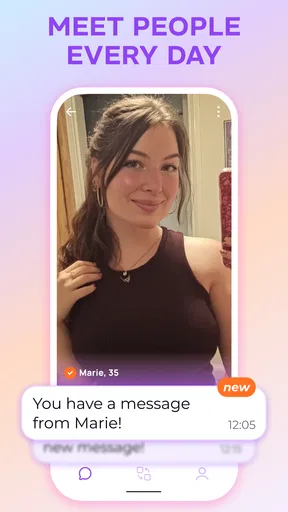

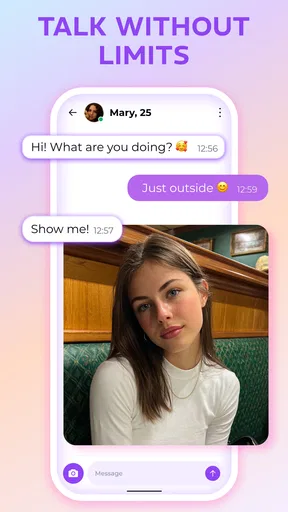


 Analysis by AppCompare
Meeting people through a live social app can feel exciting, but the first few minutes often decide whether the experience feels natural or frustrating. Chat Online: Talkie Live is built around random online conversations and the possibility of finding someone interesting, rather than around a carefully completed dating profile. I found that difference important: this is an app for starting contact quickly, not a service that asks you to spend a long time perfecting your presentation before speaking to anyone.
The app comes from ihappydate and sits in the social category. It is free to install, aimed at mature users aged 17 and over, and has reached more than 10 million installs. Its current version is 1.0.28, with support beginning at Android 6.0. That broad device compatibility makes it approachable for people using older Android phones, although the quality of any live conversation will still depend heavily on the other person and on your own connection.
What to expect before your first conversation
The central idea is simple: open the app, enter the social experience, and look for a person with whom a conversation might develop. That sounds close to ordinary dating apps, but the rhythm is different from swiping through a large collection of polished profiles. The appeal is spontaneity. You may discover someone through an unplanned exchange instead of deciding from a photograph and a few lines of biography.
That spontaneity is also the main trade-off. A random chat can be warm and memorable, but it can just as easily be brief, awkward, or clearly unsuitable. I would not install this expecting every contact to feel like a promising romantic match. I would install it if I were comfortable treating each conversation as a small social experiment, with the possibility of something more meaningful rather than a guarantee.
The public response suggests that the concept has found a large audience. The app holds an average rating of 4.0 from around 21 thousand ratings, alongside roughly 1.6 thousand written reviews. I read that as a balanced signal: many people find the format useful or entertaining, but the experience is personal enough that expectations matter. A user who wants complete control over age, interests, location, and conversation pace may prefer a more traditional matchmaking service.
It is also worth understanding the mature rating before handing the phone to a younger family member. The 17-plus classification is not a minor detail; it tells me to approach conversations with adult-level caution. Random contact means I should avoid sharing my address, workplace details, financial information, private images, or anything that could identify where I live. The app may help people meet, but it cannot make every stranger trustworthy.
Who will enjoy the format
I think Talkie Live suits someone who is tired of endlessly editing a profile and wants a faster route into conversation. It can work for a person who has recently moved, works remotely, or simply wants low-pressure contact outside an existing friend group. It may also appeal to someone who enjoys brief social encounters and does not need every interaction to become a date.
Worth Reading Before You Choose

EA SPORTS FC Mobile 26 Is a Bigger Football Game, but It Takes Time

Flipboard Shows What News Apps Must Do Beyond the Feed

Switching to Android Auto Means Rethinking Your Driving Routine

Google Calendar Makes a Crowded Week Easier to Manage

Ludo King Makes the Most of the Minutes Between Plans

Baby Panda World Brings Quick Play to Modern Phones, but Its Game Library Feels Busy
It is less suitable for a user who dislikes uncertainty or who needs a carefully filtered selection of contacts. If you want a platform centered on long-term compatibility questions, detailed identity checks, or a slow introduction through mutual interests, a conventional dating app or a moderated community may be a better choice. The random element is the product’s point, but it is not a benefit for everyone.
Getting through the first setup without overthinking it
My advice is to begin with a modest goal. Do not define success as finding a soulmate during the first session. Define it as having one respectful exchange that lasts long enough to learn whether the format suits you. That mindset removes pressure and makes it easier to leave a conversation that feels uncomfortable instead of forcing it to become something it is not.
When you create your presence in the app, use only information you would be comfortable showing to a new acquaintance. A first name or nickname is safer than a full legal identity, and a broad description of your interests is more sensible than publishing a routine, address, or employer. The useful balance is enough personality to invite a reply without giving a stranger a map of your life.
A practical opening profile is specific but not revealing. Saying that you enjoy cooking simple meals, watching old films, or exploring local parks gives another person an easy question to ask. Saying where you work, which building you live in, or when you are usually alone adds risk without improving the quality of a first conversation. This is one of the most important differences between being approachable and being overexposed.
The app is free, which makes trying the basic experience straightforward. However, in-app purchases range from $5.99 to $34.99 per item. I would not spend anything immediately. First find out whether the conversation style, pace, and people you encounter are actually comfortable for you. A paid option is only worthwhile when you understand what problem it solves for your own use, not because a prompt makes the purchase feel urgent.
Before starting, I would also choose a quiet moment and a stable connection. Live conversation is harder when I am walking through traffic, working, or trying to answer while surrounded by noise. This sounds obvious, but it changes the result: a few uninterrupted minutes make it easier to notice whether the other person is genuinely engaging or simply sending quick, repetitive replies.
How to make the first message easier
A broad greeting often produces a flat response. I get better possibilities by offering one small, answerable prompt. “What is something you enjoyed this week?” is more useful than “Tell me about yourself,” because it gives the other person a clear starting point without demanding a complete biography. A question with two possible directions also helps: “Are you more into quiet evenings or last-minute plans?”
I would avoid turning the opening into an interview. Ask one question, respond to the answer, and reveal a little about myself in return. If the other person says they like late-night walks, I might mention my own preference for daytime walks and ask what makes their route enjoyable. That creates a conversation rather than a checklist.
The first meaningful success is not necessarily exchanging contact details. It is recognizing a shared topic and keeping the exchange comfortable for both people. If the conversation reaches that point, I would remember the topic and use it as the bridge for a later interaction, if the app makes that possible in my session. If it does not, the conversation can still have been worthwhile without becoming a commitment.
Common confusion and the friction I noticed
The word “random” can lead new users to expect instant chemistry. In practice, randomness means the first person may not match my interests, communication style, or intentions. I should not interpret a dull opening as proof that the whole app is poor, but I also should not feel obligated to continue through several unsuitable exchanges. The sensible workflow is to give a conversation a fair opening, then move on politely when it clearly goes nowhere.
Another common mistake is treating a friendly tone as evidence of trust. A stranger can be charming and still be unreliable. I would keep the early conversation inside the app, avoid sending money, and be especially cautious if someone quickly asks for private pictures, personal documents, financial help, or an urgent favor. The fastest way to protect the experience is to recognize pressure as a reason to stop, not a challenge to solve.
Users may also confuse a social connection with a verified romantic opportunity. Talkie Live can introduce people, but a live exchange does not establish identity, intentions, or compatibility. If a conversation moves toward meeting in person, I would choose a public place, tell a trusted person where I am going, arrange my own transport, and leave if the situation feels different from the conversation.
Privacy is another area where restraint improves the experience. I would avoid using the same distinctive username, profile image, and personal details that appear across every other social account. A stranger who can connect several accounts may learn far more than I intended. Keeping the first interaction self-contained gives me time to judge whether the person deserves additional access to my life.
The mature audience can create a wider range of conversation styles than a narrowly focused dating service. That can be refreshing, but it may also mean that some interactions feel more direct or adult than expected. I would treat the age classification as a prompt to use judgment, not as a promise that every exchange will be sophisticated or respectful.
The purchase system deserves similar caution. The listed price range is wide enough that I would check the exact item and its purpose before confirming anything. I would also avoid buying simply to rescue a conversation that is not working. No extra option can turn an unwilling or incompatible contact into a good match. Spending should support a pattern I already enjoy, not compensate for disappointment.
A realistic first-session routine
Imagine I have twenty minutes after dinner and want to meet someone new without committing to a full evening out. I would open the app, use a simple nickname and a neutral photo, and begin with a question about a recent interest. I would give the first exchange several thoughtful replies, watching for reciprocity: does the other person answer, ask something back, and respect the tone?
If the conversation becomes repetitive after a few attempts, I would end it courteously rather than treating persistence as a virtue. If we find a shared subject, I would stay with that topic instead of jumping immediately to personal details. At the end, I would note how I felt: energized, bored, pressured, or comfortable. That small check is more useful than judging the app by whether I found romance in one sitting.
This routine reveals a non-obvious strength of the format. It can provide a social activity in a short window, without requiring the planning involved in attending an event or arranging a formal date. The weakness is equally clear: because the starting point is unpredictable, twenty minutes may produce a pleasant exchange or several dead ends. It is best used when I can accept either outcome.
How it compares with familiar alternatives
Compared with swipe-based dating apps, Talkie Live places more emphasis on conversation and less on making a rapid visual decision. That can help people who feel exhausted by judging profiles in seconds. It also removes some of the pressure to create a highly optimized dating identity. On the other hand, swipe services usually give me more control over the people I see, so they are preferable when filters and deliberate selection matter most.
Compared with large public social networks, the app offers a more direct path to meeting someone new. I do not need an established circle or a shared group before starting contact. The cost of that convenience is less context. On a familiar network, mutual connections, public history, or community membership may provide clues about a person. In a random chat, I have to build trust from the conversation itself, which takes care and time.
Compared with anonymous chat rooms, the social purpose feels more focused on personal connection, but I would still avoid assuming that every contact has the same goal. Some people may be looking for romance, others for casual conversation, and others simply for entertainment. A clear opening question about what brought someone there can prevent mismatched expectations, provided I ask without demanding private information.
For someone seeking structured friendship around a hobby, a moderated interest group may be better. For someone seeking a carefully managed dating process, a conventional matchmaking platform may be better. Talkie Live is strongest in the middle: it offers a quick doorway to conversation for people willing to accept uncertainty. That is a real use case, but it should not be mistaken for a complete replacement for every social or dating service.
My next-step advice for new users
After the first session, I would decide whether the app deserves a regular place in my routine based on conversation quality, not on the number of contacts. One respectful exchange can tell me more than a long list of shallow greetings. I would return at a time when I can focus, keep my boundaries consistent, and use the same simple test: is the other person curious, respectful, and willing to meet me halfway?
If the answer is yes, I would gradually share harmless interests and observe whether the person respects a slower pace. I would not rush into moving the conversation elsewhere or arranging an in-person meeting. A good connection should survive reasonable boundaries. Someone who reacts badly to caution is giving me useful information early.
If the answer is repeatedly no, I would stop spending time or money on the experience. The free entry point makes experimentation easy, but free does not mean every session is valuable. Likewise, the app’s large install base does not guarantee that the next conversation will fit me personally. The right decision is based on whether its random, live format matches my temperament.
Overall, I see Chat Online: Talkie Live as a practical option for adults who want to start conversations quickly and are comfortable with a degree of unpredictability. Its strongest feature is the low barrier between opening the app and meeting someone new. Its biggest limitation is the same thing: without the detailed filtering of more deliberate services, I have to supply the patience, judgment, and safety awareness myself.
I would recommend trying it with a small goal, careful privacy habits, and no pressure to find a perfect match immediately. If you enjoy spontaneous conversation, the app can turn a spare part of the day into a chance encounter. If you need predictable compatibility, extensive screening, or a tightly moderated environment, another option will probably serve you better. Start slowly, protect your personal information, and judge the app by the quality of the conversations it creates for you.
Pros
- Quickly connects you with people for casual
- spontaneous conversations.
- Live chat format makes interactions feel more immediate and engaging.
- Useful for meeting users outside your usual social circle.
- Simple concept that is easy to understand for first-time users.
- Can provide entertaining conversations during short free moments.
Cons
- Conversation quality can vary widely depending on who is online.
- You may encounter unwanted messages or users despite moderation tools.
- Live interactions can expose you to offensive or inappropriate content.
- The app may require a stable connection for smooth chatting.
- Privacy concerns remain when sharing personal details with strangers.
FAQs for Chat Online: Talkie Live
What is Chat Online: Talkie Live, and how does it work?
Chat Online: Talkie Live is a social communication app designed for meeting and talking with other users through online conversations. After creating or accessing an account, you can browse available profiles, start chats, and interact with people who are currently active. The exact features may depend on your region, account status, and the version installed on your Android or iOS device.
Is Chat Online: Talkie Live free to download and use?
The application may be available to download at no initial cost, but some functions can require in-app purchases, credits, subscriptions, or other paid options. Before using premium communication features, check the pricing information shown in the app store and inside the application. It is also important to review renewal terms, because subscriptions may continue automatically unless canceled through your Google Play or Apple account settings.
Is Chat Online: Talkie Live safe for chatting with strangers?
As with any social chat platform, you should be careful when communicating with people you do not know. Avoid sharing your address, phone number, passwords, financial information, private photographs, or live location. Use the app’s blocking and reporting tools whenever a conversation becomes uncomfortable or suspicious. Parents should also consider whether the service is appropriate for younger users and review its age rating and privacy rules.
Does Chat Online: Talkie Live require an account or personal information?
Most social communication services require some form of registration before users can access their main chat features. Depending on the current version, the app may request information such as an email address, phone number, username, profile photo, or date of birth. Read the privacy policy before signing up, and provide only the information necessary to use the service. You should also check what data may be collected, stored, or shared.
Can I delete my Chat Online: Talkie Live account if I no longer want to use it?
You should be able to manage your profile and request account removal through the application or its official support channels, although the exact steps may vary by version and platform. Deleting the app itself usually does not delete your account or cancel an active subscription. Before uninstalling, cancel any paid plan through Google Play or the App Store, then follow the account-deletion instructions and save confirmation if provided.


